TI is making cheap, synthetic, natural fuel from sunlight, air, and water. I joined as a mechanical engineer on the direct air capture team working to bring a moonshot-level reduction in the cost of carbon capture. In the past year, I led the development of two generations of carbon capture reactors and the company’s first deployment of a reactor at their test site. Below is a series of blog posts, videos, and presentations that detail what I worked on.
The High-Level Problem
This blog explains the problem we are trying to solve and provides an overview of our direct air capture system.
The first Carbonator
July 2025 – December 2025.
This blog is about the first reactor I made at Terraform Industries: A sorption bed.
The second Carbonator
January 2026 – May 2026
The first Carbonator sucked and needed to be redesigned. I led a team known as “the Dawgs” in the development of a completely new architecture that was based on mixed-flow dryers used in the agriculture industry to dry grains. Instead of 3 weeks, this design was assembled in 10 man-hours. The build montage is shown below.
The Calciner
June 2026 – September 2026
The calciner is a reactor that thermally decomposes calcium carbonate to release CO₂. It was the company’s toughest technical challenge, and after a series of failed iterations, the entire direct air capture team was focused on solving this problem, which meant that my carbonator project was put on hold.
I started off as a tester and data analyzer of a small-scale prototype, which was used to prove a concept.
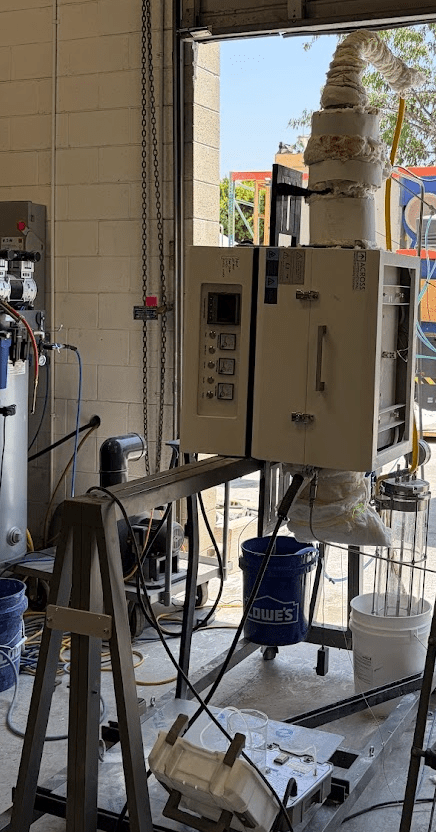
I then designed and built the furnace of a larger prototype, which was meant to be a unit module of the final scale. This was my introduction to the world of ceramics and making things that had to reach and withstand temperatures exceeding 1000°C.
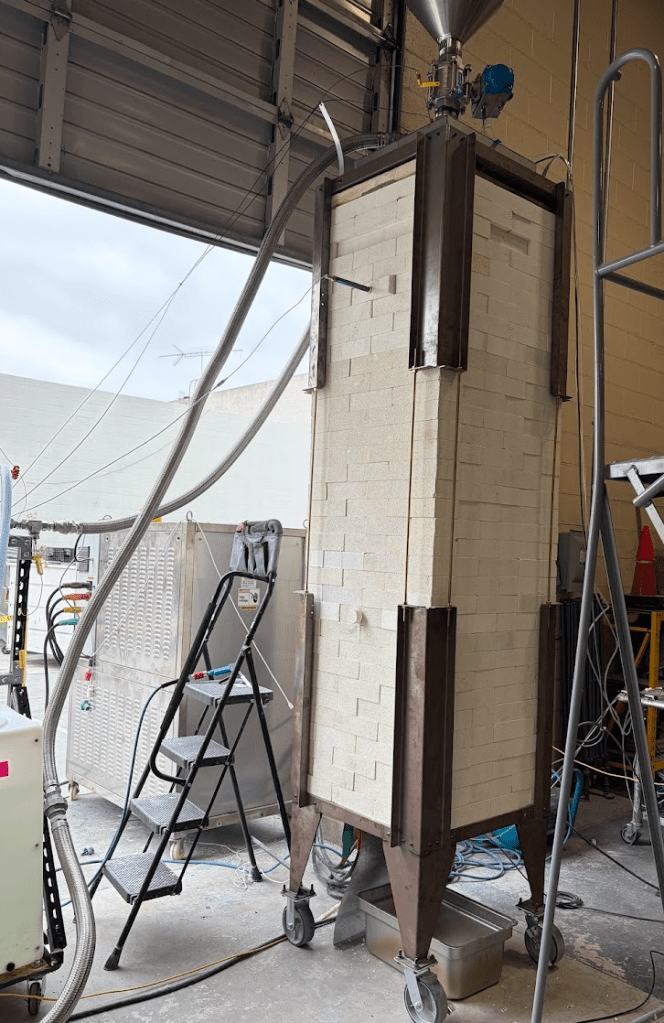
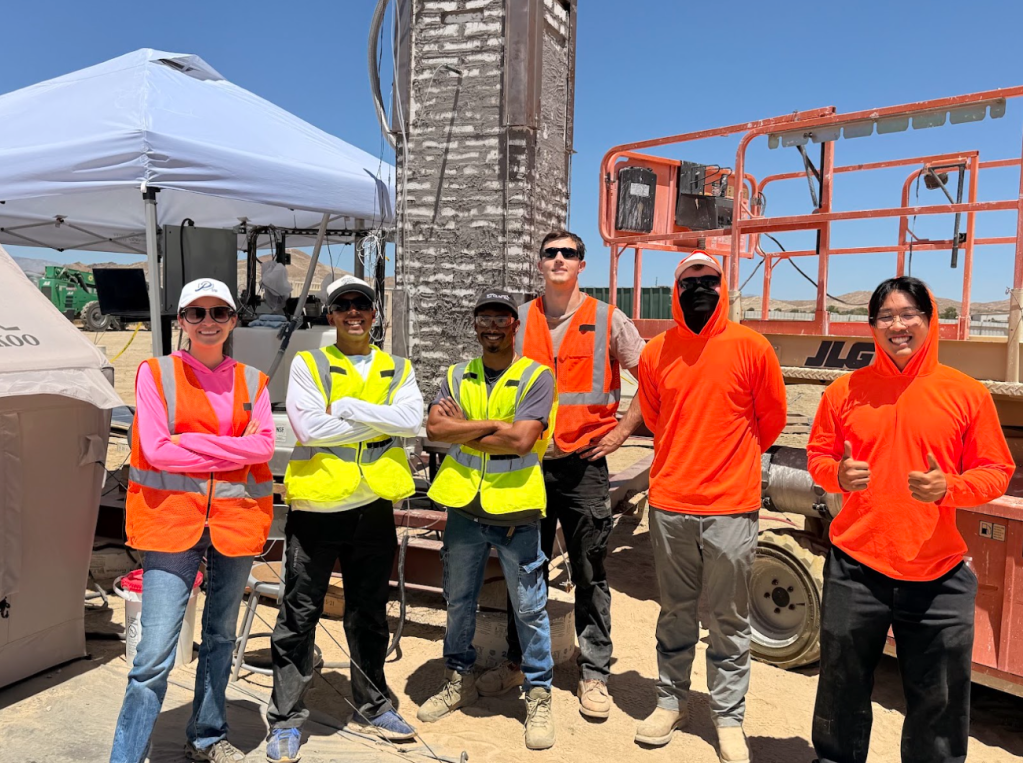
My penultimate contribution was leading the company’s first-ever deployment of a reactor on a test site in the Californian desert. It was the ultimate test of our hardware: 100% off-grid solar-powered and assembled in the harsh desert conditions. With Dawson, I built the electrical boxes that powered and controlled the Calciner. I then transformed from a design engineer to the operations guy, planning every step of the process from shipping to building to executing our test campaign. The planning paid off. We became the first company to have a functioning solar-powered calciner.